Prepper’s Guide: Comprehensive Preparation for Uncertain Times
Preparing for disruptions – from job loss to shortages – requires a balanced approach, prioritizing financial security and practical, usable supplies for likely scenarios.
Blending preparedness into daily life, utilizing multipurpose tools, and focusing on immediate needs like a robust emergency fund are crucial first steps.
Understanding the Prepper Mindset
The core of prepping isn’t about fearing a catastrophic “end of civilization” event, but about cultivating self-reliance and resilience in the face of any disruption. It’s a proactive mindset shift, acknowledging that unforeseen circumstances – job loss, natural disasters, economic downturns – can impact anyone.
This involves realistically assessing potential risks relevant to your location and personal situation, rather than fixating on improbable scenarios. It’s about empowering yourself and your family to navigate challenges independently, reducing reliance on potentially strained systems.
Effective prepping prioritizes practical, usable supplies and skills, focusing on solutions you’ll actually utilize, integrating preparedness seamlessly into everyday life, and building a foundation of financial stability.
Assessing Potential Threats & Risks
Begin by identifying the most likely threats specific to your geographic location and personal circumstances. Consider localized natural disasters – floods, wildfires, hurricanes – alongside more widespread possibilities like economic instability or prolonged power outages.
Don’t dismiss personal risks such as job redundancy or health emergencies; these are statistically more probable than large-scale societal collapse. Evaluate your vulnerabilities: dependence on just-in-time supply chains, reliance on a single income, or limited access to essential resources.
Prioritize preparation based on probability and potential impact, focusing your resources on mitigating the most realistic and damaging scenarios first.
Building a Financial Foundation for Preparedness
Establishing a solid financial base is paramount before accumulating supplies. Many Americans struggle with even a $500 emergency, highlighting the need to prioritize savings. An accessible emergency fund provides immediate resilience against unforeseen events – job loss, medical bills, or unexpected repairs.
Focus on building this fund before investing heavily in long-term storage. Consider high-yield savings accounts for accessibility and modest growth. Simultaneously, reduce debt to free up cash flow.
Financial preparedness isn’t just about having money; it’s about minimizing vulnerabilities and maximizing your ability to weather disruptions.
Emergency Fund Prioritization
Prioritize building an emergency fund capable of covering 3-6 months of essential expenses – housing, food, utilities, and healthcare. Start small, aiming for an initial $1,000, then incrementally increase it. This fund should be readily accessible, ideally in a high-yield savings account, not tied up in investments.

Consider your personal risk profile and local vulnerabilities when determining the appropriate fund size. If job security is uncertain, or natural disasters are common, lean towards the higher end of the range.
Regularly replenish the fund after any withdrawals, maintaining a consistent safety net.
Food Storage: The Cornerstone of Self-Reliance
Establishing a food storage system is fundamental to preparedness, ensuring sustenance during disruptions. Focus on foods you’ll actually consume, avoiding bulk purchases of items your family dislikes. A balance between long-term staples and convenient, short-term options is ideal.
Prioritize shelf-stable, non-perishable items. Consider rotating stock to prevent spoilage, utilizing the “first in, first out” method. Proper storage – cool, dry, and dark – is crucial for maximizing shelf life.
Think about quick and easy meal options for power outages or limited cooking facilities.
Long-Term Food Options (Rice, Beans, Grains)
For sustained self-reliance, prioritize bulk storage of foundational foods like rice, beans, and grains. These offer excellent nutritional value, long shelf lives when properly stored, and versatility in meal preparation. White rice generally stores longer than brown rice due to its lower oil content.
Beans are a protein powerhouse, and various types – kidney, pinto, black – provide dietary diversity. Grains, such as wheat, oats, and quinoa, offer carbohydrates and essential nutrients. Consider purchasing in 25 or 50lb bags for cost-effectiveness.
Properly sealed containers are vital to protect against pests and moisture.
Short-Term, Convenient Food Supplies
Alongside long-term staples, maintain a stock of readily consumable foods for immediate needs and convenience. Focus on items you regularly enjoy to ensure they won’t go to waste. Canned goods – vegetables, fruits, meats – offer extended shelf life and require no cooking.
Shelf-stable pouches of tuna, chicken, or salmon provide protein. Consider protein bars, jerky, and dried fruits for quick energy. Don’t overlook comfort foods – instant noodles, soups, or crackers – for morale during stressful times.
Prioritize taste and ease of preparation for realistic consumption.
Water Security: Sourcing, Storage, and Purification
Access to clean water is paramount in any emergency. Begin by identifying potential water sources – rainwater, wells, or nearby bodies of water. However, sourcing isn’t enough; secure storage is vital. Invest in food-grade water storage containers of varying sizes, calculating capacity based on family needs and potential duration of disruption.
Crucially, have purification methods readily available. Water filters remove sediment and bacteria, while purification tablets offer a chemical solution. Knowing how to boil water effectively is a simple, reliable backup method.

Water Storage Containers & Capacity
Selecting appropriate water storage containers is essential. Opt for food-grade plastic or stainless steel; avoid containers that previously held non-food items. Consider various sizes – 5-gallon buckets are manageable, while 55-gallon drums offer larger capacity. Calculate your family’s daily water needs (at least one gallon per person) and multiply by the anticipated duration of a potential emergency.

A good starting point is a two-week supply, but aim for longer-term storage if feasible. Remember to store containers in a cool, dark place to prevent algae growth and maintain water quality.
Water Purification Methods (Filters, Tablets, Boiling)
Securing a safe water source is paramount. Several purification methods exist. Boiling water for one minute effectively kills most harmful bacteria and viruses, but requires a heat source. Portable water filters remove sediment and microorganisms, offering a convenient solution for treating water from natural sources.
Water purification tablets, utilizing iodine or chlorine dioxide, are lightweight and ideal for emergency kits. Always follow the manufacturer’s instructions carefully. Having a combination of these methods ensures redundancy – a crucial element of preparedness, allowing you to adapt to various scenarios.
Essential Gear & Equipment
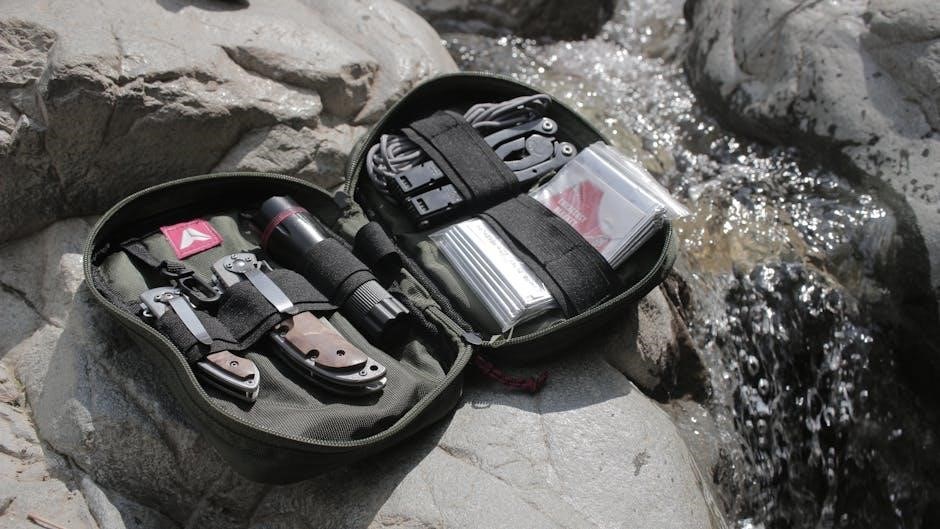
Reliable gear is vital for navigating emergencies. A high-quality backpack, functioning as both daily carry and “bug-out bag,” is a cornerstone. Multipurpose tools, like knives or multi-tools, minimize weight and maximize utility. Prioritize durable, practical items over specialized gadgets.
Consider lighting (flashlights, headlamps), fire starters, and navigation tools (maps, compass). Don’t overlook essential clothing – sturdy boots, weather-appropriate layers, and rain gear. Regularly inspect and maintain your equipment to ensure it’s ready when needed. A well-equipped kit boosts self-reliance and confidence.
Backpacks & Bug-Out Bags
A dependable backpack is central to any preparedness plan, serving as your portable lifeline. Choose a durable pack with comfortable straps and sufficient capacity – around 40-60 liters is a good starting point. Consider internal frame packs for better weight distribution. Your “bug-out bag” should contain essentials for 72 hours of self-sufficiency.
Pack items strategically, with frequently needed items readily accessible. Include water, food, first-aid supplies, shelter, and navigation tools. Regularly review and update the contents, ensuring everything is in working order. A well-packed bag offers peace of mind and enhances your ability to respond to unexpected events.
Multipurpose Tools & Their Applications
Investing in tools that serve multiple functions maximizes efficiency and minimizes bulk in your preparedness kit. A quality knife is paramount – for food preparation, shelter building, and self-defense. Multi-tools, like Leatherman or Gerber, combine pliers, screwdrivers, and other useful implements into a compact package.
Consider a sturdy hatchet or folding saw for processing firewood. Duct tape, paracord, and a metal container for boiling water are also incredibly versatile. Prioritize quality over quantity; a durable, well-maintained tool will outperform several cheap alternatives. Learning to effectively utilize these tools is equally important.
First Aid & Medical Preparedness
Maintaining a comprehensive first aid kit is non-negotiable for any prepper. Include bandages, antiseptic wipes, pain relievers, gauze, tape, and burn cream. Don’t forget items for specific needs, like allergy medication or EpiPens. Stock essential prescriptions with a buffer, and consider over-the-counter medications for common ailments.
Knowledge is as vital as supplies; invest in First Aid/CPR training. Understand how to treat wounds, splint fractures, and manage common medical emergencies. A first aid manual provides valuable guidance. Regularly check expiration dates and replenish used items to ensure your kit remains effective when needed.
Comprehensive First Aid Kit Contents
A well-stocked kit should include assorted bandages, sterile gauze pads, adhesive tape, antiseptic wipes, and antibiotic ointment. Pain relievers like ibuprofen and acetaminophen are essential, alongside burn cream and blister treatment. Include scissors, tweezers, a thermometer, and gloves. Don’t forget CPR mask and emergency blanket.
Consider adding items for specific needs: allergy medication, EpiPen (if prescribed), and any personal prescriptions. A first aid manual is invaluable. Organize your kit in a waterproof container, clearly labeled. Regularly inspect for expired items and replenish supplies. Prioritize quality over cost for reliable performance.
Essential Medications & Prescriptions
Maintaining a supply of essential medications is paramount. Aim for at least a 30-90 day reserve of prescription drugs, if feasible and legally permissible. Discuss with your doctor the possibility of obtaining extra refills for emergency situations. Include over-the-counter medications like pain relievers, anti-diarrheal medication, and allergy remedies.

Proper storage is crucial; protect medications from heat, light, and moisture. Keep a detailed list of all medications, dosages, and prescribing physicians. Consider potential alternatives if access to your usual pharmacy is disrupted. Regularly check expiration dates and safely dispose of outdated medications.
Home Security & Defense
Securing your home is a vital aspect of preparedness. Begin with simple measures like reinforcing doors and windows, and improving exterior lighting. A monitored alarm system can deter intruders and alert authorities. Consider creating a safe room – a fortified space for shelter during emergencies.
While firearms are a personal choice, responsible gun ownership requires training and secure storage. Non-lethal self-defense tools, such as pepper spray or a personal alarm, can also provide protection. Develop a home defense plan and practice it with family members. Remember, situational awareness is your first line of defense.
Pest Control & Sanitation
Maintaining sanitation and controlling pests are often overlooked, yet critical, prepping elements. Infestations can quickly ruin stored food and create health hazards. Diatomaceous earth (DE) is a natural, effective insecticide for controlling fleas, bedbugs, and lice – but requires careful research and handling.
Permethrin offers another layer of defense, particularly for clothing and gear. Prioritize hygiene: establish handwashing stations, manage waste properly, and regularly disinfect surfaces. Store food in airtight containers. Remember, no amount of supplies will matter if you’re battling a widespread pest infestation or illness.
Diatomaceous Earth & Permethrin Usage
Diatomaceous Earth (DE), specifically food-grade, desiccates insects, disrupting their exoskeletons. Apply lightly to areas with pest activity, avoiding inhalation. Permethrin, a synthetic insecticide, effectively treats clothing and gear for tick and mosquito protection; always follow label instructions carefully.
Both require caution: DE can irritate lungs, and permethrin is toxic to cats and aquatic life. Store both securely, away from children and pets. Keep hard copies of instructions readily available, as access to online resources may be limited during emergencies. Research proper application techniques and safety protocols before use.
Maintaining Hygiene in Emergency Situations
Hygiene is paramount during disruptions, preventing illness and maintaining health; Prioritize handwashing with soap and water, or use hand sanitizer when water is scarce. Conserve water by using minimal amounts for cleaning and consider alternatives like wet wipes.
Proper waste disposal is crucial; designate a latrine area far from water sources. Stockpile sanitation supplies – toilet paper, feminine hygiene products, soap, and trash bags. Maintaining personal cleanliness and a sanitary environment significantly reduces the risk of disease outbreaks in challenging circumstances.
Alternative Power Sources
Power outages are common during emergencies, making alternative sources vital. Solar power, with panels and a battery bank, offers sustainable energy. Consider portable power stations, rechargeable via solar or AC, for essential devices.
Hand-crank generators provide limited power for communication. Don’t overlook low-tech options like kerosene lamps (with ventilation) and wood-burning stoves for heat and cooking. Prioritize powering communication devices and medical equipment. Regularly test and maintain all alternative power systems to ensure reliability when needed most.
Communication Strategies
Maintaining communication during a crisis is paramount. Invest in a hand-crank NOAA weather radio for updates. Two-way radios (GMRS/FRS) enable local communication with family or groups. Consider a shortwave radio for receiving information from distant sources.
Establish a pre-arranged communication plan with loved ones, including out-of-state contacts. Don’t rely solely on cell phones, as networks may be overloaded. Learn basic radio operation and signaling techniques. A whistle can be a simple, effective signaling device. Regularly practice your communication plan.
Shelter & Warmth
Securing shelter and maintaining warmth are vital for survival. A quality tent, sleeping bag rated for expected temperatures, and waterproof tarp are essential. Consider a portable heating source, like a propane heater (with proper ventilation!). Wool and synthetic clothing provide insulation even when wet.
Learn basic shelter-building skills using natural materials. Reflective emergency blankets offer lightweight warmth. Don’t forget fire-starting tools – lighters, waterproof matches, and a ferro rod. Prioritize protecting yourself from the elements; hypothermia is a significant threat.
Self-Defense & Personal Security
Personal security is paramount in uncertain times. While firearms are an option for some, consider non-lethal self-defense tools like pepper spray or a tactical flashlight. A robust security plan for your home includes reinforced doors, window coverings, and an alarm system.
Situational awareness is key – be observant of your surroundings. Learn basic self-defense techniques. Secure valuables and important documents. Consider a dog for perimeter security. Remember, avoiding confrontation is often the best defense. Prioritize de-escalation and escape routes whenever possible.
Community & Networking
Preparedness isn’t solely an individual pursuit; building a network of like-minded individuals significantly enhances resilience. Connect with neighbors, join local preparedness groups, or participate in online forums. Sharing knowledge, skills, and resources multiplies your capabilities.
A strong community can provide mutual aid during emergencies – from sharing supplies to offering support. Identify individuals with valuable skills like medical training or mechanical expertise. Establish communication protocols and pre-arranged meeting points. Remember, collaboration and cooperation are vital for navigating challenging situations effectively.
Knowledge & Skills Development
Beyond stockpiling supplies, acquiring practical skills is paramount for self-reliance. Invest in First Aid/CPR training to confidently handle medical emergencies. Master basic repair and maintenance skills – plumbing, electrical work, and vehicle maintenance – to address common issues independently.
Learn essential survival techniques like fire starting, shelter building, and navigation. Consider courses on food preservation, gardening, or alternative energy. Continuous learning empowers you to adapt to unforeseen circumstances and overcome challenges. A resourceful skillset is often more valuable than any material possession during a crisis.
First Aid/CPR Training
Proficiency in First Aid and CPR is a non-negotiable skill for any prepper. These life-saving techniques can bridge the gap until professional medical help arrives, which may be delayed or unavailable during emergencies. Seek certified training courses covering wound care, fracture stabilization, burns, and allergic reactions.
Regular refresher courses are vital to maintain proficiency. Assemble a comprehensive first aid kit and familiarize yourself with its contents. Knowing how to assess injuries, control bleeding, and perform CPR can dramatically increase survival rates in critical situations. Don’t underestimate the power of preparedness in medical emergencies.
Basic Repair & Maintenance Skills
Self-reliance extends beyond medical knowledge; mastering basic repair and maintenance skills is crucial. Learn to fix common household items, repair clothing, and maintain essential tools. Understanding plumbing, electrical systems, and small engine repair can save resources and prevent disruptions.
Acquire skills in carpentry, welding, and vehicle maintenance. These abilities allow you to address infrastructure issues and keep vital equipment operational. Practice these skills regularly to build confidence and proficiency. A resourceful prepper minimizes dependence on external assistance, maximizing self-sufficiency during challenging times.
Blending Prepping into Everyday Life
Effective prepping isn’t about drastic lifestyle changes, but seamless integration. Utilize storage bins that serve dual purposes – organization and supply storage. Prioritize shelf-stable foods you already enjoy, avoiding stockpiles of items your family won’t consume.
A quality backpack functions as both daily carry and bug-out bag. Build your emergency fund gradually, treating it as a financial goal. Focus on likely scenarios – job loss, short-term shortages – before investing in extreme preparations. This approach ensures preparedness doesn’t disrupt your current lifestyle, making it sustainable long-term.
Regular Inventory & Maintenance
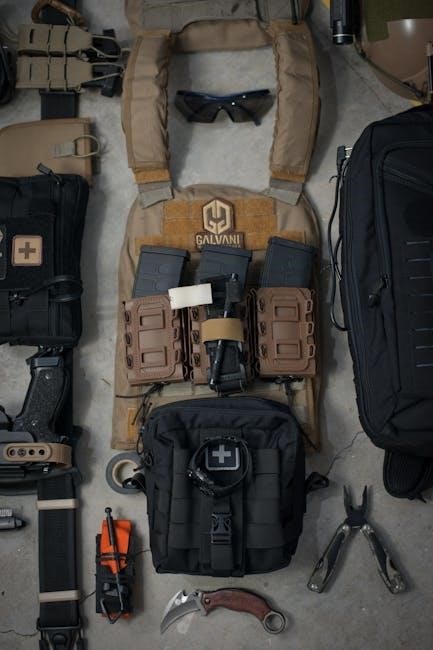
Consistent upkeep is vital for a functional preparedness plan. Regularly check expiration dates on food and medications, rotating stock to ensure freshness. Inspect gear – backpacks, tools, first aid kits – for damage or missing components. Update instructions for items like diatomaceous earth and permethrin, keeping hard copies readily accessible.
Review your financial preparedness, replenishing your emergency fund as needed. This proactive approach prevents supplies from becoming unusable and ensures your plan remains effective when called upon. A little maintenance now saves significant trouble later, guaranteeing readiness for any situation.