Wilderness Long-Term Survival Guide: Nicole Apelian’s Approach
Nicole Apelian’s approach centers on self-reliance‚ utilizing heirloom herbal seeds and natural remedies for sustained wellness during prolonged wilderness stays.
Nicole Apelian is a renowned survival expert‚ herbalist‚ and author‚ celebrated for her pragmatic and deeply rooted approach to wilderness living. Her philosophy‚ encapsulated in “Rooted in Resilience‚” emphasizes adapting to the environment and utilizing natural resources for long-term sustainability.
Apelian’s expertise isn’t born from theoretical knowledge alone; it stems from extensive practical experience‚ including years spent living off the land. She champions self-sufficiency‚ focusing on skills like foraging‚ herbal medicine‚ and shelter building – abilities crucial for thriving‚ not just surviving‚ in remote settings.
Her “Medicinal Garden Kit” exemplifies this ethos‚ providing heirloom seeds and guidance for creating a natural pharmacy in the wild. Apelian’s teachings aren’t about conquering nature‚ but about harmonizing with it‚ fostering a resilient mindset‚ and building a sustainable relationship with the land. This holistic perspective sets her apart in the survival community.
The Core Philosophy: Adapting to the Wilderness
Nicole Apelian’s core philosophy revolves around profound adaptation – not simply enduring the wilderness‚ but becoming an integral part of it. This means shifting from a mindset of control to one of observation and responsiveness. She stresses understanding the ecosystem‚ recognizing seasonal changes‚ and utilizing available resources responsibly.
Central to this is minimizing reliance on external supplies. Apelian advocates mastering skills that allow for self-sufficiency in food‚ water‚ shelter‚ and medicine. Her approach isn’t about brute force survival‚ but about intelligent resourcefulness and minimizing environmental impact.
Resilience‚ for Apelian‚ isn’t just physical; it’s mental and emotional. Cultivating a positive outlook‚ establishing routines‚ and finding purpose are vital for long-term survival. Ultimately‚ her philosophy is a call to reconnect with ancestral skills and embrace a simpler‚ more sustainable way of life.
Essential Survival Skills – Apelian’s Emphasis
Apelian prioritizes mastering core skills: firecraft‚ shelter building‚ water sourcing‚ and foraging‚ forming the bedrock of self-reliance in any wilderness environment.
Fire Starting Techniques (Friction & Modern Aids)
Nicole Apelian emphasizes fire as central to wilderness survival‚ advocating proficiency in both traditional and contemporary methods. Friction-based techniques‚ like the bow drill and hand drill‚ demand significant practice but offer independence from external tools. Mastering these builds crucial skills and understanding of material properties.
However‚ recognizing the challenges‚ Apelian also acknowledges the value of modern aids. Ferrocerium rods (“ferro rods”) provide a reliable spark source‚ even when wet‚ and are lightweight for portability. Magnifying glasses can harness solar energy‚ offering another dependable option.
Crucially‚ she stresses the importance of tinder selection – dry‚ easily ignitable materials like birch bark‚ bird nests‚ or processed plant fibers are essential. Successful fire starting isn’t just about the spark; it’s about careful preparation and understanding fuel progression from tinder to kindling to larger wood.
Shelter Construction – Natural & Improvised
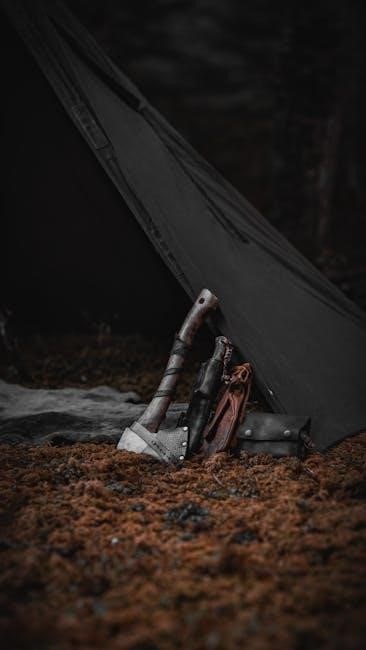
Nicole Apelian prioritizes shelter as a primary defense against the elements‚ advocating for resourcefulness in utilizing the natural environment. She champions understanding local materials – leaning branches against fallen logs for a quick lean-to‚ or weaving branches and leaves for more substantial protection.
Apelian stresses adapting shelter design to the climate. In colder regions‚ insulation is paramount‚ utilizing layers of leaves‚ pine needles‚ or moss. Warmer climates demand ventilation to prevent overheating; She emphasizes minimizing heat loss through ground contact‚ suggesting raised platforms or thick bedding.
Improvised shelters‚ built with minimal tools‚ are key. Utilizing salvaged materials like tarps or debris can significantly enhance comfort and protection. Apelian’s approach isn’t about building perfect structures‚ but about creating functional spaces that conserve energy and offer psychological security.
Water Procurement & Purification Methods
Nicole Apelian underscores water as the absolute priority in long-term survival‚ advocating for multiple procurement strategies. She details collecting rainwater using large leaves or tarps‚ and locating natural springs or seeps. Dew collection‚ though labor-intensive‚ is presented as a viable option in arid environments.
Crucially‚ Apelian emphasizes purification. Boiling remains the most reliable method‚ but she also details constructing improvised filters using charcoal‚ sand‚ and gravel. Solar disinfection (SODIS) – utilizing sunlight in clear containers – is presented as a low-tech alternative.
Understanding water sources is vital; stagnant water requires rigorous purification. Apelian cautions against relying solely on snowmelt‚ as it can contribute to dehydration. Prioritizing consistent hydration‚ coupled with effective purification‚ forms the cornerstone of her water strategy.
Foraging for Edible Plants – Regional Variations
Nicole Apelian stresses that successful foraging demands meticulous regional knowledge. A plant edible in one ecosystem could be toxic in another. She advocates for hyper-local learning‚ emphasizing detailed field guides specific to the survival area.
Apelian highlights the importance of positive identification‚ warning against consuming anything without 100% certainty. She promotes the “universal edibility test” as a last resort‚ but stresses its inherent risks. Recognizing plant families and understanding look-alikes is paramount.
Her approach isn’t about memorizing a vast list‚ but about learning core principles. She encourages observing animal feeding habits as clues‚ but cautions against blindly mimicking them. Sustainable harvesting practices‚ leaving enough for regeneration‚ are also key to long-term food security.
Nicole Apelian’s Herbalism & Medicinal Plants
Apelian’s herbalism focuses on utilizing readily available plants for first aid‚ emphasizing creating a wilderness kit with heirloom seeds for self-sufficiency.
Identifying Common Medicinal Herbs
Nicole Apelian stresses the critical importance of accurate plant identification for safe and effective herbal remedies in a survival situation. Misidentification can lead to serious illness or even death‚ so thorough knowledge is paramount. Focus on learning a few key‚ common medicinal herbs prevalent in your region before venturing into the wilderness.
Begin with plants that have easily recognizable characteristics and multiple uses. Understanding the plant’s habitat – where it grows‚ soil type‚ and sunlight exposure – aids in positive identification. Utilize multiple identification resources‚ such as field guides‚ and cross-reference information. Pay close attention to details like leaf shape‚ flower color‚ stem structure‚ and any unique scents.
Remember to learn about potential look-alikes and their differences; Never consume a plant unless you are 100% certain of its identity. Start with small amounts to test for allergic reactions‚ even with known edible and medicinal plants. Proper identification is the foundation of successful wilderness herbalism and self-reliance.
Creating a Wilderness First Aid Kit
Nicole Apelian advocates for a comprehensive‚ yet lightweight‚ wilderness first aid kit focused on addressing common injuries and illnesses encountered during long-term survival. Prioritize items for wound care‚ infection prevention‚ and pain management‚ supplementing with herbal remedies when possible.
Essential components include bandages of various sizes‚ antiseptic wipes‚ gauze pads‚ medical tape‚ and antibiotic ointment. Include pain relievers like ibuprofen or acetaminophen. Don’t forget blister treatment‚ tweezers for removing splinters‚ and a triangular bandage for slings or tourniquets.
Apelian emphasizes incorporating herbal allies like plantain for wound healing and yarrow for stopping bleeding. A small‚ waterproof container for storing dried herbs is crucial. Consider adding safety pins‚ a small pair of scissors‚ and nitrile gloves. Regularly check and replenish your kit‚ ensuring all items are within their expiration dates. Knowledge of how to use each item is as vital as having them;
Herbal Remedies for Common Ailments
Nicole Apelian champions the use of herbal remedies as a cornerstone of wilderness healthcare‚ offering sustainable solutions for common ailments. She stresses learning to identify and utilize plants with medicinal properties‚ reducing reliance on manufactured pharmaceuticals.
For digestive issues‚ chamomile can soothe upset stomachs and reduce inflammation. Elderberry syrup is a potent antiviral‚ effective against colds and flu. Apelian highlights the benefits of lavender for its calming and antiseptic properties‚ useful for burns and insect bites.
She also advocates for using willow bark as a natural pain reliever‚ containing salicin – a precursor to aspirin. Proper identification is paramount; misidentification can be dangerous. Learning to create teas‚ tinctures‚ and poultices maximizes herbal effectiveness. Remember‚ herbal remedies are often slower-acting than conventional medicine‚ requiring patience and consistent application.
Plantain – The “Band-Aid Plant” & Its Uses
Nicole Apelian frequently refers to plantain (Plantago major) as the “band-aid plant” due to its remarkable wound-healing properties. This common weed is a vital addition to any wilderness first-aid kit‚ readily found in many environments.
Plantain leaves possess natural antiseptic and anti-inflammatory qualities. Chewing a leaf creates a poultice‚ directly applied to cuts‚ scrapes‚ and insect bites to draw out toxins and promote healing. It can also alleviate the pain and itching associated with stings and rashes.
Apelian emphasizes that plantain’s mucilage content creates a protective barrier‚ preventing infection. Beyond topical use‚ plantain tea can soothe sore throats and coughs. Recognizing its ribbed leaves and seed spikes is crucial for accurate identification‚ ensuring safe and effective application in survival scenarios.
Yarrow – Wound Healing & Fever Reduction
Nicole Apelian highlights yarrow (Achillea millefolium) as another cornerstone of wilderness herbalism‚ prized for its potent medicinal properties. Historically used on battlefields‚ yarrow excels at staunching blood flow and promoting wound closure‚ making it invaluable in survival situations.
Its leaves‚ when crushed‚ release compounds that act as a natural antiseptic and coagulant. A yarrow poultice can effectively stop bleeding from minor to moderate wounds. Furthermore‚ yarrow possesses antipyretic qualities‚ meaning it can help reduce fever by inducing perspiration.
Apelian stresses the importance of proper identification – look for feathery leaves and clusters of small‚ white or yellow flowers. Yarrow tea can also alleviate digestive upset and relieve muscle spasms‚ offering a versatile remedy for various ailments encountered during long-term wilderness survival.
Food Acquisition & Long-Term Sustainability
Nicole Apelian emphasizes securing consistent food sources through ethical trapping‚ resourceful fishing‚ and utilizing often-overlooked insect protein for long-term resilience.
Trapping Small Game – Ethical Considerations
Nicole Apelian stresses that trapping small game isn’t simply about obtaining food; it demands a deep respect for the ecosystem and the animals themselves. Ethical trapping prioritizes minimizing suffering and ensuring sustainable populations. This involves understanding local regulations‚ selecting appropriate trap types – favoring those offering quick‚ humane dispatch – and consistently checking traps multiple times daily.
Beyond the mechanics‚ Apelian advocates for a mindful approach. Only harvest what is needed‚ avoiding wasteful practices. She emphasizes learning animal behavior to increase trapping success and reduce unintended catches. Recognizing the interconnectedness of the food web is crucial; over-trapping can have cascading negative effects. A survivor’s responsibility extends to being a steward of the land‚ ensuring future availability of resources. Respectful harvesting is paramount for long-term sustainability.
Fishing Techniques – Improvised Gear
Nicole Apelian champions resourcefulness when it comes to fishing‚ highlighting that specialized equipment isn’t a prerequisite for success. She emphasizes utilizing readily available materials to craft effective gear. This includes fashioning hooks from bone‚ thorns‚ or even bent metal fragments. Cordage can be created from plant fibers‚ bark‚ or clothing strips‚ serving as fishing line.
Improvised fishing methods are also key. Apelian details constructing weirs – stone or branch barriers – to funnel fish into manageable areas. Spear fishing‚ using sharpened sticks‚ is another viable option in clear water. She stresses observing fish behavior to determine optimal locations and bait choices (insects‚ worms‚ small crustaceans). A simple handline‚ combined with patience and observation‚ can yield significant results‚ providing a crucial protein source for long-term survival.
Insect Protein – A Sustainable Food Source
Nicole Apelian advocates for embracing insects as a highly sustainable and readily available protein source in a long-term survival scenario. She points out their abundance‚ rapid reproduction rates‚ and nutritional value – often exceeding that of traditional meat sources. Identifying edible insects is crucial; grasshoppers‚ crickets‚ and certain beetle larvae are generally safe.
Apelian details various collection methods‚ including pitfall traps‚ hand-picking‚ and searching under rocks and logs. Cooking insects is recommended to eliminate parasites and improve digestibility. Roasting or frying are preferred methods. She emphasizes that overcoming the “ick factor” is essential for maximizing this valuable resource. Insect protein provides vital fats and nutrients‚ contributing significantly to maintaining energy levels and overall health during prolonged wilderness stays.
Seed Saving & Establishing a Wilderness Garden
Nicole Apelian stresses the importance of long-term food security through seed saving and establishing a wilderness garden. This isn’t simply about immediate sustenance‚ but building a renewable food source for years to come. She advocates for selecting open-pollinated‚ heirloom seeds – those that breed true to type – allowing for consistent harvests.
Apelian details proper seed collection‚ drying‚ and storage techniques to ensure viability. Site selection is critical; a location with ample sunlight‚ water access‚ and protection from animals is ideal. She recommends starting small‚ focusing on hardy‚ fast-growing plants. A wilderness garden provides essential vitamins‚ minerals‚ and carbohydrates‚ reducing reliance on foraging and hunting‚ and fostering a sense of control and hope in a challenging situation.
Long-Term Psychological Resilience
Nicole Apelian emphasizes maintaining mental fortitude through routine‚ combating isolation‚ and fostering hope—vital components for surviving extended periods alone in the wilderness.
Maintaining Mental Fortitude in Isolation
Nicole Apelian understands that prolonged solitude presents significant psychological challenges in a wilderness survival scenario. Maintaining a positive mindset isn’t simply about ‘thinking happy thoughts’; it’s a proactive‚ disciplined approach. She advocates for acknowledging negative emotions without letting them consume you‚ recognizing they are a natural response to stress and hardship.
A crucial technique is focusing on what can be controlled. This includes daily tasks‚ shelter maintenance‚ food procurement‚ and self-care. Setting small‚ achievable goals provides a sense of accomplishment and combats feelings of helplessness. Practicing gratitude‚ even for small comforts‚ can shift perspective.
Furthermore‚ Apelian suggests engaging in mental exercises – recalling positive memories‚ mentally rehearsing skills‚ or even creating stories. These activities stimulate the mind and prevent stagnation. Acceptance of the situation‚ while continuing to strive for improvement‚ is key to long-term psychological well-being. Remembering your ‘why’ – the reason for survival – provides enduring motivation.
Establishing a Daily Routine
Nicole Apelian emphasizes that structure is paramount for psychological stability during long-term wilderness survival. A consistent daily routine combats the disorientation and despair that can arise from unstructured time and isolation. This isn’t about rigid schedules‚ but rather establishing predictable rhythms that provide a sense of normalcy and control.
A typical routine might begin with a designated wake-up time‚ followed by essential tasks like fire maintenance‚ water collection‚ and food procurement. Allocating specific times for skill practice – such as trapping or foraging – reinforces self-reliance.
Importantly‚ the routine should also include time for self-care: hygiene‚ rest‚ and mental exercises. Apelian advocates for dedicating a portion of each day to learning or creative pursuits‚ preventing mental stagnation. Regularly reviewing and adjusting the routine based on changing needs and environmental conditions ensures its continued effectiveness. This predictability fosters resilience.
Combating Loneliness & Despair
Nicole Apelian recognizes that the psychological challenges of prolonged isolation are as critical as physical survival. Loneliness and despair can erode mental fortitude‚ hindering decision-making and overall resilience. Her approach centers on proactive strategies to maintain a positive mindset.
Cultivating gratitude is key; consciously acknowledging small victories and appreciating the natural world can shift perspective. Journaling‚ even with limited resources‚ provides an outlet for processing emotions and maintaining a sense of self.
Apelian suggests creating “mental companions” – vividly imagining conversations with loved ones or focusing on cherished memories. Establishing meaningful tasks‚ like building a sustainable garden‚ provides purpose and a sense of accomplishment. Accepting the reality of the situation‚ while maintaining hope‚ is crucial. Remembering your ‘why’ – the reason for survival – fuels determination.
Advanced Survival Techniques
Nicole Apelian emphasizes mastering navigation‚ cordage creation from natural fibers‚ and tool building for long-term self-sufficiency in remote wilderness environments.
Navigation Without Technology (Sun‚ Stars‚ Terrain)
Nicole Apelian stresses that reliance on technology is a vulnerability in long-term survival scenarios. Therefore‚ mastering traditional navigation methods is paramount. Utilizing the sun’s path throughout the day provides a basic directional understanding‚ remembering its east-to-west trajectory.
Nighttime navigation relies on celestial bodies; learning to identify key constellations and Polaris (the North Star) offers consistent directional guidance. However‚ cloud cover necessitates alternative methods.
Terrain features become crucial. Recognizing patterns in landscapes – the direction of water flow‚ prevailing wind effects on tree growth‚ and subtle elevation changes – provides valuable clues. Creating a mental map‚ constantly updated with observations‚ is essential. Apelian advocates practicing these skills before a survival situation arises‚ building confidence and proficiency in reading the natural world.
Cordage Making – Natural Fibers
Nicole Apelian emphasizes that cordage – rope – is an indispensable survival tool‚ vital for shelter building‚ trapping‚ and tool creation. Modern cordage can fail‚ making the ability to create it from natural fibers crucial for long-term sustainability.
She advocates identifying plants with strong‚ fibrous stalks or bark. Inner bark from trees like basswood or cedar‚ as well as plants like nettle and dogbane‚ are excellent sources. Processing involves stripping‚ retting (softening the fibers)‚ and then twisting or braiding.
Apelian highlights the importance of practicing different cordage-making techniques to adapt to available resources. Learning to identify fiber quality and understanding the strengths and weaknesses of various natural cords is key. Consistent practice builds skill and ensures a reliable supply of this essential material.
Tool Creation – Stone Tools & Improvised Weapons
Nicole Apelian stresses that resourcefulness extends to crafting tools. While modern tools are valuable‚ their loss or failure necessitates the ability to create replacements from readily available materials. Stone tool creation‚ though demanding‚ provides cutting edges for processing resources.
Flintknapping‚ the art of shaping stone‚ requires practice but yields sharp flakes for knives and scrapers. Alternatively‚ utilizing naturally fractured rocks can provide usable edges. Improvised weapons‚ like spears or atlatls (spear-throwers)‚ enhance hunting capabilities and provide defense.
Apelian emphasizes safety and understanding material properties. Hardwoods can be shaped into digging sticks or clubs. Combining stone‚ wood‚ and natural cordage creates composite tools with increased functionality. Mastering these skills fosters self-sufficiency and resilience in a wilderness setting.
Understanding Animal Behavior & Tracking

Nicole Apelian highlights that successful long-term survival hinges on understanding the local fauna. Tracking isn’t merely about following footprints; it’s about interpreting a narrative left by animals – their movements‚ feeding habits‚ and social interactions.
Recognizing animal sign – scat‚ rubs‚ scrapes‚ and bedding areas – reveals patterns and potential food sources. Understanding animal behavior minimizes dangerous encounters and maximizes hunting success. Knowing when and where animals drink‚ feed‚ and rest is crucial.
Apelian advocates for observing animal routines and respecting their territories. Ethical considerations are paramount; only harvest what is needed. This knowledge extends beyond food acquisition‚ informing shelter placement and overall safety within the wilderness environment‚ fostering a harmonious coexistence.