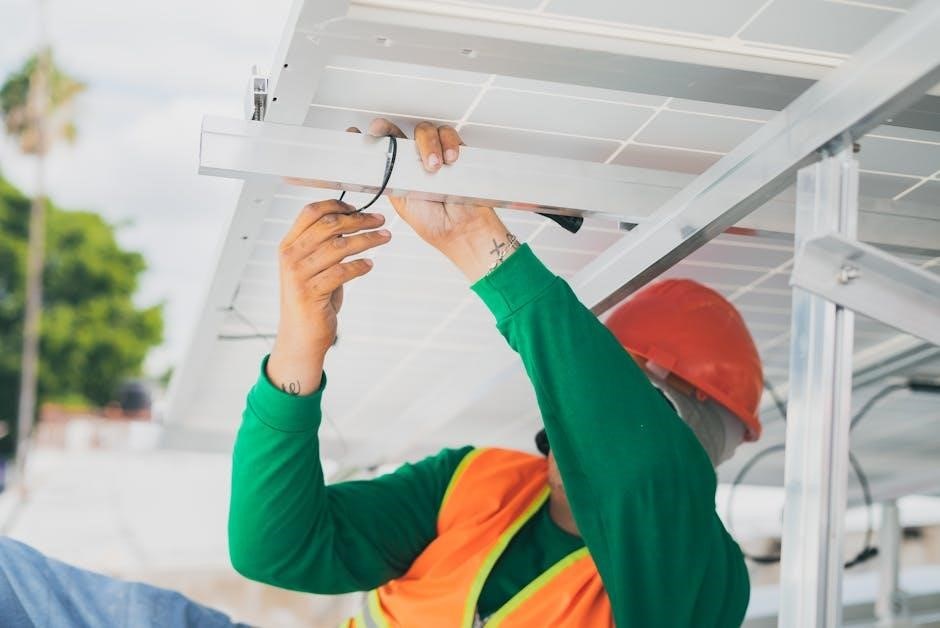
GivEnergy All-in-One Installation Manual: A Comprehensive Plan
This manual details the setup of the GivEnergy system‚ considering potential connectivity issues and the need for power banks‚ alongside recreational areas and forest walks.
The GivEnergy All-in-One system represents a complete energy solution‚ integrating solar capture‚ battery storage‚ and intelligent inverter technology into a single‚ streamlined unit. This manual provides comprehensive guidance for installers and qualified personnel undertaking the installation process. Understanding the system’s capabilities is crucial‚ especially considering potential limitations in mobile network coverage – as noted in recent observations – which may necessitate alternative communication methods during setup and monitoring.
Furthermore‚ acknowledging the diverse environments where installations may occur‚ from areas resembling lush forests to popular recreational spots‚ highlights the importance of careful site assessment. The system is designed for reliability‚ but external factors‚ like connectivity and location‚ must be addressed for optimal performance. This guide ensures a safe and efficient installation‚ maximizing the benefits of your GivEnergy investment.
System Components & Package Contents
Upon receiving your GivEnergy All-in-One system‚ carefully verify the package contents against the included packing list. Core components include the All-in-One inverter/charger unit‚ a communication module for WiFi connectivity (important given potential signal limitations)‚ and necessary DC and AC connection cables. While the system aims for self-sufficiency‚ remember external power sources‚ like power banks‚ might be needed during initial configuration‚ particularly in areas with unreliable grid access.
Additional items may include mounting brackets suitable for various surfaces – considering locations similar to forested areas – and documentation. Inspect all components for any shipping damage. Missing or damaged parts should be reported immediately to GivEnergy support. Proper inventory ensures a smooth installation process‚ mirroring the preparedness needed for recreational activities or navigating areas with limited resources.
Safety Precautions & Warnings
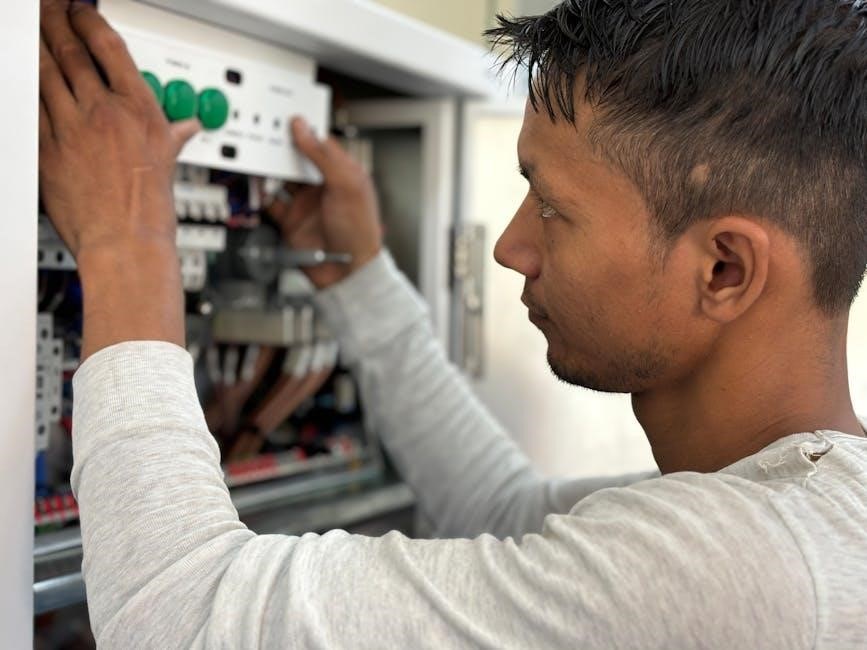
Prior to commencing installation‚ heed all safety warnings. This GivEnergy system involves high voltages and currents; improper handling can lead to severe injury or death. Always disconnect the AC and DC power sources before working on any wiring. Ensure the installation location is structurally sound‚ akin to assessing terrain for outdoor activities‚ to prevent falls or equipment damage.
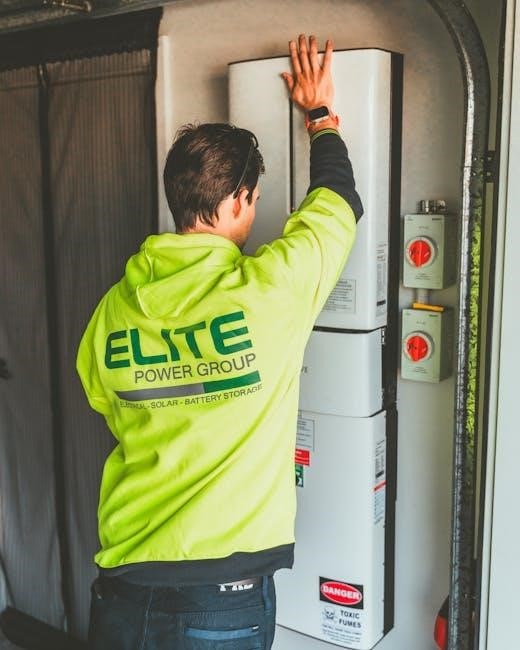
Qualified personnel only should perform the installation. Never operate the system in wet or damp conditions. Be mindful of potential communication disruptions‚ as reliable monitoring is crucial for safety. Regularly inspect all connections for tightness and integrity. Treat the system with the same caution as navigating challenging environments – preparedness is key. Ignoring these precautions voids the warranty and compromises safety.
Tools Required for Installation
Successful GivEnergy All-in-One installation demands a specific toolkit. Essential items include a calibrated multimeter for accurate voltage readings‚ insulated screwdrivers (various sizes) to prevent shorts‚ and wire strippers/crimpers for secure connections. A torque wrench is crucial for tightening terminals to manufacturer specifications. Furthermore‚ you’ll need a drill with appropriate bits for mounting‚ a level to ensure proper alignment‚ and safety glasses.
Consider a cable tester for verifying wiring integrity‚ similar to checking signal strength in areas with poor reception. A digital camera documents wiring before disconnection. Having a power bank nearby is wise for maintaining communication during setup. Don’t forget measuring tape‚ a pencil for marking‚ and appropriate personal protective equipment (PPE) like gloves.
Pre-Installation Site Assessment
Before commencing installation‚ a thorough site assessment is paramount. Evaluate the location’s accessibility‚ considering potential limitations like poor phone signal – necessitating backup power for communication. Inspect the surrounding area‚ noting any nearby recreational spaces or forested areas‚ as these might influence cable routing. Assess shading patterns throughout the day to optimize solar panel placement.
Critically‚ verify sufficient space for the All-in-One unit and battery storage. Check for obstructions that could impede airflow or maintenance access. Document existing electrical infrastructure and potential upgrade requirements. Ensure the site is free from flammable materials and complies with local regulations‚ similar to considerations for popular bathing spots.
Electrical System Compatibility Check
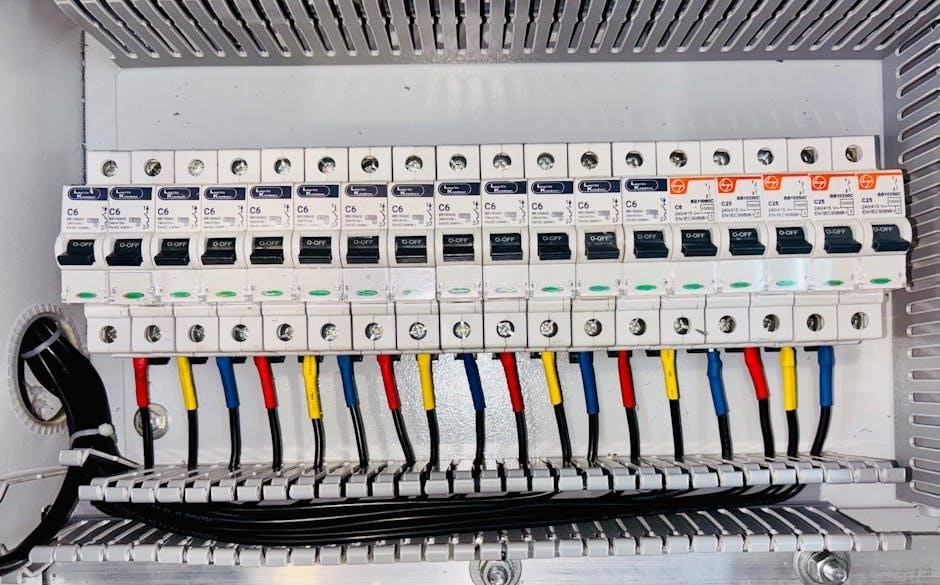
Prior to installation‚ a comprehensive electrical system compatibility check is crucial. Verify the consumer unit/distribution board’s capacity to handle the GivEnergy system’s output‚ ensuring sufficient spare capacity. Assess the existing earthing arrangement and confirm compliance with current regulations. Inspect wiring for age‚ condition‚ and appropriate gauge for the anticipated load.
Confirm the voltage and frequency of the grid connection match the GivEnergy All-in-One’s specifications. Evaluate the need for upgrades to the service cable or protective devices. Like ensuring reliable communication despite poor signal‚ a stable electrical foundation is vital. Document all findings and address any discrepancies before proceeding‚ prioritizing safety and system performance.
Structural Integrity of Mounting Location
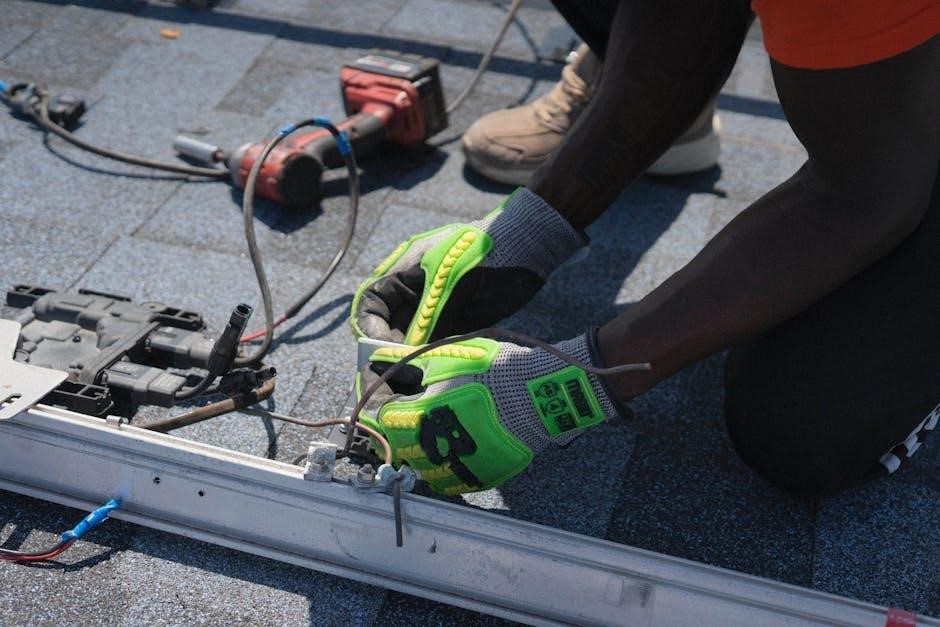
Before mounting the GivEnergy unit‚ a thorough assessment of the structural integrity of the chosen location is paramount. The mounting surface – wall‚ ground‚ or roof – must be capable of supporting the unit’s weight‚ plus any additional loads from wind or snow. Inspect for signs of weakness‚ such as cracks‚ rot‚ or corrosion.
Ensure the structure meets local building codes and regulations. If mounting on a roof‚ verify the roof’s load-bearing capacity and the suitability of the roofing material. Similar to preparing for limited phone signal with a power bank‚ a robust mounting solution is essential for long-term reliability. Document the assessment and reinforce the structure if necessary‚ prioritizing safety and preventing potential damage.
Mounting the GivEnergy All-in-One Unit
Securely mounting the GivEnergy unit is crucial for optimal performance and longevity. Following the pre-installation structural assessment‚ utilize appropriate mounting hardware compatible with both the unit and the mounting surface. Ensure the mounting bracket is level and firmly attached‚ using suitable fixings for the material – wood‚ concrete‚ or metal.
Consider accessibility for future maintenance and inspections. Like preparing for recreational areas‚ ensure sufficient space around the unit for safe operation and servicing. Double-check all connections are tightened to the manufacturer’s specifications. A stable and correctly mounted unit minimizes vibration and potential damage‚ mirroring the need for reliable connectivity in areas with poor signal.
AC Connection & Wiring
Establishing a secure AC connection is paramount for safe and efficient system operation. Always disconnect the main AC supply before commencing any wiring work‚ adhering to all local electrical codes and regulations. Use appropriately sized‚ certified cables for both live and neutral connections‚ ensuring correct polarity.
Carefully connect the AC output to the designated point in the consumer unit/distribution board‚ following the wiring diagram provided. Like ensuring reliable power for uninterrupted activities‚ a robust connection is vital. Implement an AC disconnect switch for easy isolation during maintenance or emergencies‚ mirroring the need for power banks in areas with poor signal. Double-check all connections for tightness and insulation.
Connecting to the Consumer Unit/Distribution Board
Prior to connection‚ verify the consumer unit’s capacity to handle the GivEnergy system’s output. A qualified electrician must perform this assessment‚ ensuring compliance with all relevant standards. Identify a suitable‚ dedicated circuit breaker within the consumer unit for the GivEnergy AC output.
Carefully route the AC cable from the inverter to the consumer unit‚ avoiding any sharp bends or potential damage. Secure the cable appropriately along its path. Connect the live‚ neutral‚ and earth wires to the designated terminals within the circuit breaker‚ ensuring a firm and secure connection. Like a well-planned route through a forest‚ a clear path is essential. Double-check all wiring before restoring power.
AC Disconnect Switch Installation
A dedicated AC disconnect switch is crucial for safe isolation of the GivEnergy system during maintenance or emergencies. This switch should be installed in a readily accessible location‚ close to the AC connection point‚ but not within the consumer unit itself. Ensure the switch is appropriately rated for the system’s maximum AC output current.
Mount the disconnect switch securely to a solid surface‚ following the manufacturer’s instructions. Connect the AC cable from the inverter before connecting to the consumer unit‚ passing it through the disconnect switch. Properly label the switch to clearly indicate its function – “GivEnergy AC Disconnect”. Like preparing for a forest walk‚ safety is paramount. Verify correct operation before commissioning the system.
DC Connection & Solar Panel Integration
Establishing a secure DC connection between the solar panels and the GivEnergy All-in-One unit is vital. Begin by carefully planning the string sizing and configuration‚ ensuring voltage and current limits are respected. Consider the potential for reduced phone signal – like Rajal – and plan for robust connections.
Utilize appropriate DC cabling designed for outdoor use and UV resistance. Install DC isolators strategically‚ allowing for safe disconnection during maintenance or emergencies. Proper placement‚ easily accessible‚ is key. Double-check polarity before connecting to the inverter. Like a well-planned forest walk‚ meticulous preparation prevents issues. Confirm all connections are tight and secure before proceeding.
String Sizing & Configuration
Accurate string sizing is crucial for optimal GivEnergy system performance. Begin by determining the maximum DC voltage the inverter can handle‚ referencing the unit’s specifications. Consider the solar panel’s voltage at its maximum power point (Vmpp) and temperature coefficient. Account for varying temperatures‚ as voltage increases in colder conditions.
Parallel strings increase current‚ while series strings increase voltage. Aim for a string voltage within the inverter’s operating window. Like navigating a forest path‚ careful planning is essential. Incorrect sizing can lead to clipping (power loss) or inverter faults. Prioritize safety and adhere to local electrical codes. Document your configuration for future reference and troubleshooting.
DC Isolator Installation & Placement
A DC isolator is a vital safety component‚ enabling safe disconnection of the solar array during maintenance or emergencies. Install the isolator as close as practically possible to the solar panels‚ but in an accessible location. Ensure it’s weatherproof and suitable for outdoor use‚ much like preparing for varied terrain.
Mount the isolator securely to a solid surface‚ following the manufacturer’s instructions. Clearly label it for easy identification. Consider the isolator’s current rating‚ ensuring it exceeds the maximum array current. Regular checks‚ similar to monitoring system performance‚ are essential. Proper placement facilitates quick and safe isolation‚ protecting installers and the system itself.
Battery Connection & Configuration
Connecting the batteries requires meticulous attention to polarity. Double-check the positive and negative terminals before making any connections‚ preventing irreversible damage. Use appropriately sized cables‚ following the GivEnergy specifications‚ to minimize voltage drop and ensure efficient energy transfer.
Configure the battery parameters within the inverter settings‚ specifying battery type‚ voltage‚ and capacity. This ensures optimal charging and discharging cycles‚ maximizing battery lifespan. Monitor the initial charging process closely‚ verifying correct operation. Like preparing for extended outdoor activities‚ proper configuration is key for reliable performance and longevity.
Communication Setup (WiFi & Monitoring)
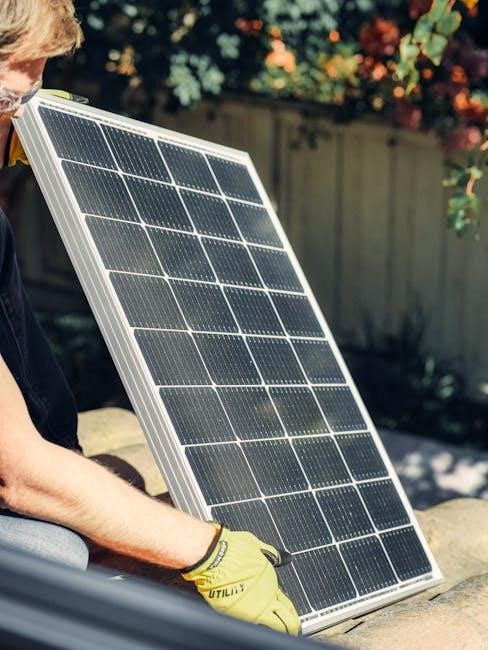
Establishing a stable WiFi connection is crucial for remote monitoring and control of your GivEnergy system. Access the inverter’s settings via the LCD screen and navigate to the network configuration menu. Select your WiFi network and enter the password accurately. A weak signal‚ much like poor phone reception‚ can hinder performance.
Download and install the GivEnergy app on your smartphone or tablet. Follow the on-screen instructions to pair the app with your inverter‚ using the system’s unique identifier. This enables real-time data visualization‚ historical performance analysis‚ and remote troubleshooting‚ ensuring optimal system operation and peace of mind.
System Commissioning & Initial Startup
Before powering on‚ double-check all connections – AC‚ DC‚ and battery – ensuring polarity is correct and all wiring is secure. Verify the DC isolator is in the OFF position and the AC disconnect switch is open. Once confirmed‚ switch on the DC isolator‚ followed by the AC disconnect.
Observe the inverter’s startup sequence. The LCD screen will display system status and initiate self-tests. Allow the system to complete these tests without interruption. Initial charging of the battery may take several hours‚ dependent on solar irradiance. Monitor the GivEnergy app for real-time data and confirm successful grid synchronization.
GivEnergy App Configuration & Monitoring
Download the GivEnergy app from your device’s app store and create an account. Use the system’s serial number‚ found on the inverter‚ to register your installation. The app allows remote monitoring of key performance indicators – solar generation‚ battery state of charge‚ grid import/export‚ and overall energy consumption.
Configure notification settings to receive alerts for system faults‚ low battery levels‚ or grid outages. Explore the app’s historical data charts to analyze energy usage patterns and optimize self-consumption. Familiarize yourself with the app’s settings to adjust export limits and customize system parameters. Regular app monitoring ensures optimal system performance.
Troubleshooting Common Installation Issues
Connectivity problems can arise during setup; ensure a stable WiFi signal‚ potentially requiring a power bank for consistent connection. Communication errors within the app often resolve with a system reboot or checking network settings. Inverter fault codes require referencing the detailed error code list in the manual – some indicate simple fixes like loose wiring‚ while others necessitate professional assistance.
DC issues might stem from incorrect string sizing. AC connection failures could be due to improper wiring or a tripped breaker. Always double-check all connections and consult a qualified electrician if issues persist. Prioritize safety and never attempt repairs beyond your expertise.
Communication Errors
Frequent disconnections between the GivEnergy unit and the monitoring app often indicate a weak WiFi signal. Consider relocating the unit or utilizing a WiFi extender to improve connectivity. Intermittent data transmission can be resolved by rebooting both the inverter and your home router. Ensure the correct network credentials are entered within the app settings.
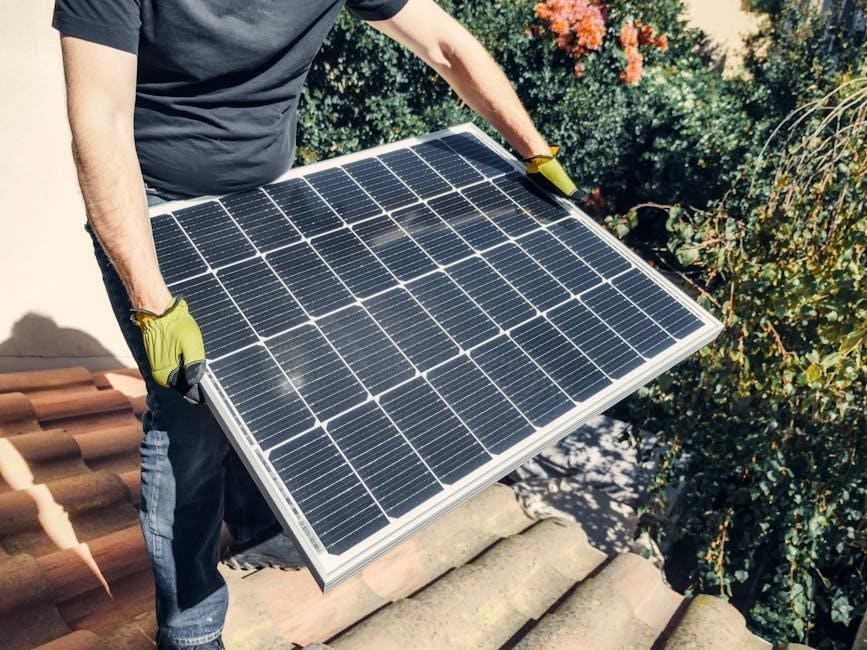
“Device Offline” messages may signify a network outage or a problem with the inverter’s internal communication module. Check your internet connection and consult the error code list in the manual. A power bank might be needed if the signal is unstable. If problems persist‚ contact GivEnergy support for assistance.
Inverter Fault Codes
GivEnergy inverters utilize a comprehensive fault code system to diagnose issues. Codes like E01 might indicate a DC voltage error‚ requiring a check of solar panel connections and string sizing. E05 often signals an AC grid fault‚ necessitating verification of the AC disconnect switch and consumer unit wiring.
Refer to the detailed fault code table within this manual or the GivEnergy app for specific troubleshooting steps. Recurring fault codes suggest a hardware problem and warrant contacting qualified support. Remember that unstable connectivity‚ like poor phone signal‚ can sometimes appear as an error. Always document the code and circumstances before seeking assistance.
System Maintenance & Regular Checks
Consistent maintenance ensures optimal GivEnergy performance and longevity. Monthly‚ visually inspect all wiring for damage or loose connections‚ paying close attention to DC isolators and AC disconnects. Quarterly‚ check solar panel surfaces for debris‚ cleaning as needed to maximize energy capture – consider forest surroundings and potential leaf fall.
Annually‚ a qualified technician should perform a comprehensive system inspection‚ including battery health assessment and inverter firmware updates. Monitor the GivEnergy app regularly for performance data and any reported faults. Remember‚ like any outdoor installation‚ environmental factors can impact efficiency‚ so proactive checks are crucial.
Grid Connection & Export Settings
Successful grid connection requires adherence to local regulations and utility company specifications. Before energizing the system‚ verify all paperwork is submitted and approved. Configure export settings within the GivEnergy inverter to align with your utility’s net metering agreement‚ maximizing financial benefits from excess energy.
Carefully review the inverter’s export limit settings‚ ensuring they don’t exceed your grid connection capacity. Regularly monitor exported energy via the GivEnergy app to confirm proper operation. Remember‚ interruptions in connectivity‚ like poor phone signal‚ could affect remote monitoring. A stable connection is vital for optimal export control.
Regulatory Compliance & Certification
The GivEnergy All-in-One system is designed to meet stringent safety and performance standards. It holds necessary certifications for grid connection and operation within specified regions. Installation must comply with all local and national electrical codes‚ including wiring regulations and safety protocols.
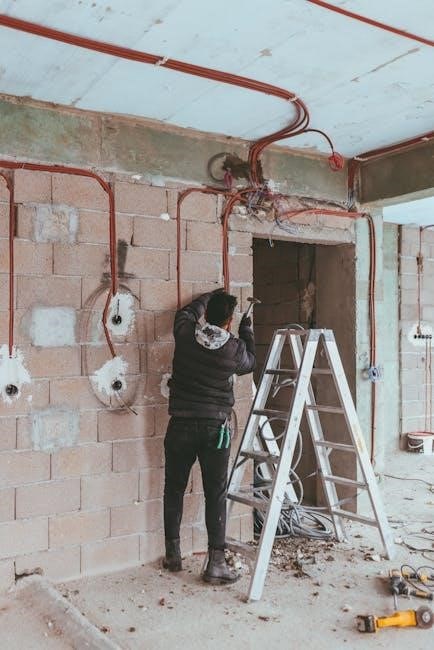
Ensure the installer is qualified and certified to work with energy storage systems. Documentation verifying compliance‚ such as installation certificates and grid connection approvals‚ should be retained for future reference. Consider potential interruptions – like limited phone signal – when submitting digital documentation. Proper compliance guarantees safe and legal system operation‚ avoiding potential penalties.
Warranty Information & Support
GivEnergy provides a comprehensive warranty on the All-in-One unit‚ covering defects in materials and workmanship for a specified period. Warranty terms and conditions are detailed in the accompanying documentation‚ outlining coverage limitations and claim procedures; Register your system promptly to activate the warranty.
Technical support is available through GivEnergy’s website‚ email‚ and phone channels. Consider potential communication challenges – such as poor phone signal – when seeking assistance. Detailed troubleshooting guides and FAQs are also accessible online. Retain proof of purchase and installation for warranty claims. Enjoy recreational areas while knowing your system is supported!
System Expansion Options
The GivEnergy All-in-One system is designed for scalability‚ allowing for future expansion to meet evolving energy needs. Additional battery modules can be added to increase storage capacity‚ providing greater energy independence. Compatible solar panel arrays can be expanded‚ maximizing renewable energy generation.
Consider the structural integrity of your mounting location before adding components. Ensure compatibility with existing electrical systems and grid connection settings. Explore options for smart home integration and energy management. Remember to enjoy forest walks while planning your expansion! Consult with a qualified installer for optimal system design and implementation.
Disposal & Recycling Information
Responsible disposal of GivEnergy components is crucial for environmental sustainability. Do not dispose of the All-in-One unit or batteries with general waste. Contact your local recycling center or waste management authority for proper handling procedures. Battery components contain valuable materials that can be recovered through specialized recycling processes.
Adhere to all local regulations regarding electronic waste disposal. Consider participating in manufacturer take-back programs if available. Remember the peaceful forest locations while responsibly managing your system’s end-of-life. Proper disposal minimizes environmental impact and promotes a circular economy. Ensure safe handling during transportation to recycling facilities.